About
XX Proud was created to celebrate women and empower each and every one of us to have the courage to speak out and defend who we are, our rights and everything which we have fought so hard to achieve.
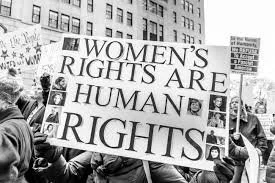
The victories achieved by the Suffragettes Movement in the early 1900s and the Women’s Liberation Movement in the 1960s laid the foundation for women to be treated fairly. These hard won victories should not be treated in vain and should always be celebrated. Now is the time to call to action the 21st century women’s rights movement and defend and protect what our predecessors started.
Our “call to arms” started again in 2013 when the then Australian female Prime Minister: Julia Gillard removed the definition of “What is a woman” from the Sex Discrimination Act. As women we need to fight for the Sex Discrimination Act to be changed and the definition of a woman to be articulated clearly in the legislation and be the precipitators of change to reclaim our safe spaces, toilets, change rooms, sports, female shelters and prisons.
A woman is defined as an ‘Adult Female Human Being’ each of us are unique to our core. As Adult Female Human Beings it is only women who can experience pregnancy, periods and menopause these are not experiences of which we can opt out. Lets be loud and celebrate the very women we have become and yell it from the roof tops. So, join the crowd be a real XX and proud!

The History of Women’s Rights
Perhaps women today are the Suffragettes of the 21st century.
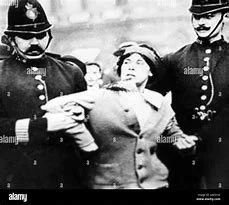
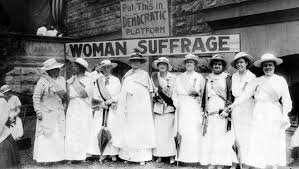
The Suffragette Movement in the early 1900s was a collective of biological women campaigning for the right to vote. The Movement was led in the UK by many resilient women such as Emmeline Pankhurst and Emily Davison who famously died for the cause throwing herself in front of King George V horse at the Epsom Derby.
Australia started their own Suffragette Movement in the late 1800s which successfully resulted in 1895 with South Australia being the first place in the world to allow women to vote and stand for election. This was soon followed in 1902 when the newly formed Commonwealth of Australia installed the same rights for women.
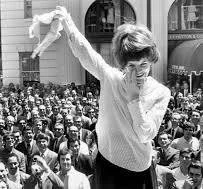
In the late 1960s the fight for women continued, known as the liberation movement synonymous with the burning of the bra the Women’s Liberation Movement focused on redeeming themselves from second class citizens towards achieving equality. The success of their collective voice and protests resulted in making it illegal for women to be paid less than men for doing the same job, elimination of sexual discrimination against women, the creation of paid maternity leave rather than being fired from their job and access to services such as childcare.
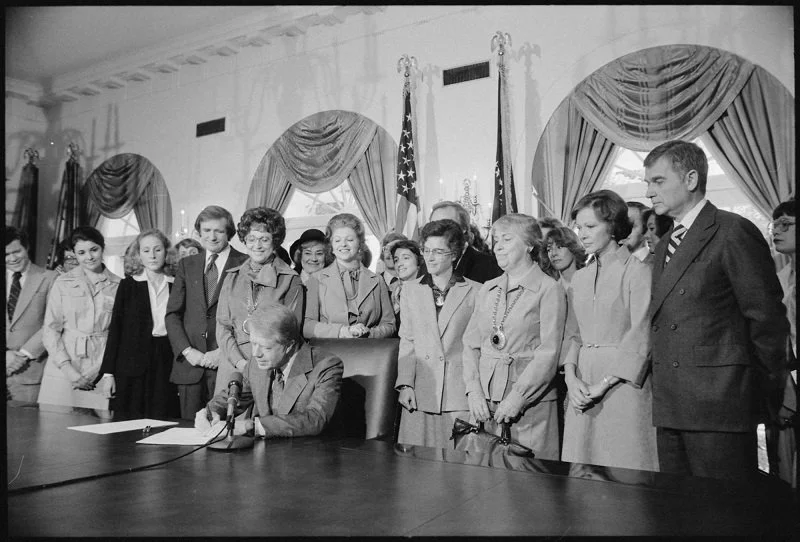
The women of the USA fought their own battle for recognition. The Equal Rights Amendment was introduced to Congress in 1923 but did not pass due to opposition to the idea of complete gender equality. The Equal Rights Amendment proposed that women are protected against sex discrimination and given legal equality in divorce, property and employment. The Bill gained momentum in the early 1970s and was passed by both the House and the Senate in 1972 resulting in a joint resolution being signed by President Jimmy Carter.